Get in touch
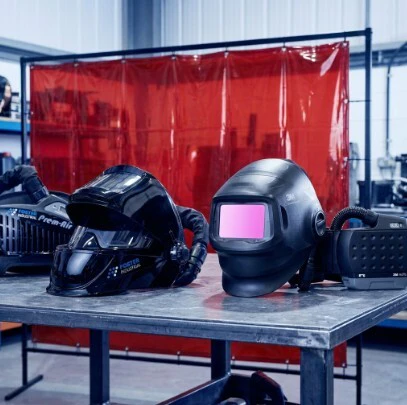
Choosing a Welding Helmet
Full guide on all the elements you need to consider when choosing the a welding mask. We discuss optical scoring, lens size, variable & natural colour ADF and all the requirements you need to consider when buying an air fed helmet
Key Factors to consider before choosing a welding helmet
- Viewing area size: A Large lens size will increase your peripheral vision & scope of view.
- ADF Lens type: Check for true view/true colour Auto darkening options.
- Optical scoring ; The optical quality of the lens is signified by 4 digits under EN379.
- Consider tasks you will be undertaking, other than welding? Check for Grinding, plasma cutting or gas welding settings on the filter lens.
- Head top styles : If you are grinding regularly, you could opt for a two in one weld/grind flip top head top.
- Weight & comfort : A multi-adjustable padded headgear is a must. Reduce neck strain with a balanced lightweight, but durable head top.
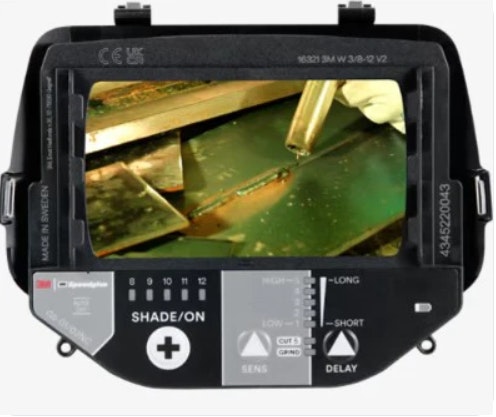
- Sensitivity & delay settings on the auto darkening lens : Sensitivity is adjustable to different lighting environments, whilst delay increases the length of time the lens stays dark.
- Protecting your lungs : Welding fume is a carcinogen. Air Fed welding helmets offer air up to 50 times cleaner. When, considering your PAPR specification, check the 'Assigned Protection Factor' (APF)
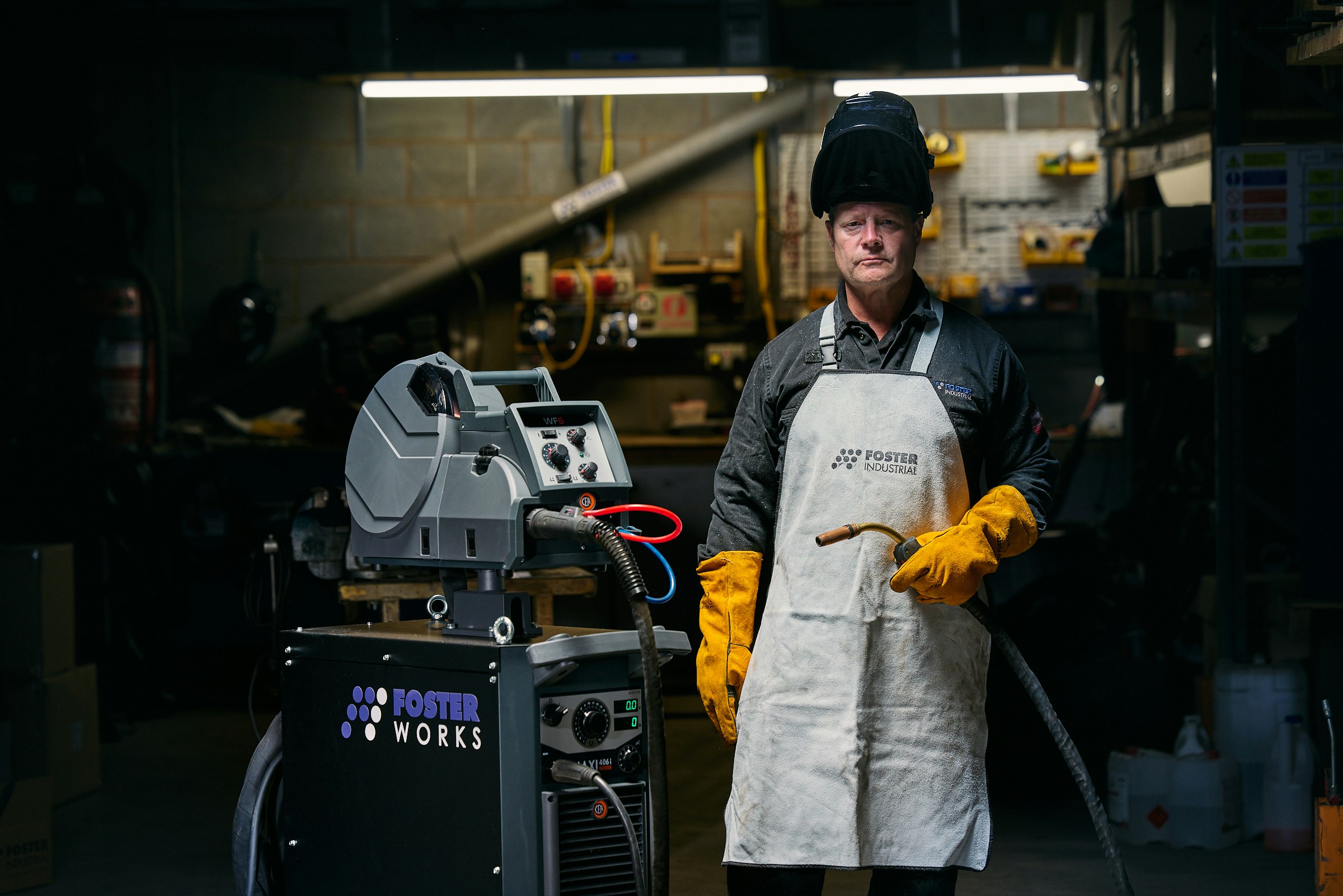
Auto Darkening True & Variable Colour Technology Explained
With passive welding lenses now in the rear view mirror, auto-darkening lens technology is constantly evolving. When sensors on the helmet sense an arc start, the lens darkens in a fraction of a second.
Two particular features to consider are true/Natural colour and Variable colour.
- True colour technology allows you to view the work piece when the helmet is in it's light state in a more natural and realistic colour, meaning you don't have to lift the head top.
- Variable colour technology has three colour settings to choose from; warm, standard & cool colour. (Green, blue or red). This feature offers a more realistic view of the welding arc, when the ADF lens is in it's dark state.

Optical Welding Lens Scoring Guide
Optical lens scoring is assessed under the EN379 standard & given a four digit rating relating to categories, the lens quality scoring from 1 to 3 under each segment.
The optimum lens score is 1/1/1/1
The four digit categories are explained as follows;
- Optical Class (1st digit); Image clarity is assessed & minimal distortion is required for a class 1 score.
- Light diffusion (2nd digit); Contrast & sharpness is scored, with the lens ability to block stray light assessed.
- Homogeneity (3rd digit); From corner to corner of the lens an uninterrupted shade is expected, reducing strain on the eye.
- Angular dependence (4th digit); The lens must maintain a consistent shade from all angles.
Budget & Specification
- Budget & Optical lens scoring; Generally the more you spend, the better quality the welding lens technology. This is measured by EN379 standard, the best score being 1/1/1/1.
- Side windows; Do you want peripheral vision or will that distract from the job at hand?
- Durability; is it robust enough to withstand high impact? What happens to the welding filter if it's dropped?
- Grinding Capability; Some helmets incorporate a clear grinding visor underneath the welding mask. Typically in the form of a dual use flip up top, it's a real time saver and acts as a two in one head top.
- Spectacle Wear; Some helmets offer an adjustable rack on the headband to allow more room for spectacles. Check if the manufacturer offers magnification lenses which eliminate the need for wearing glasses.
- Consumables; Are the inner and outer protection plates readily available and easy to fit?
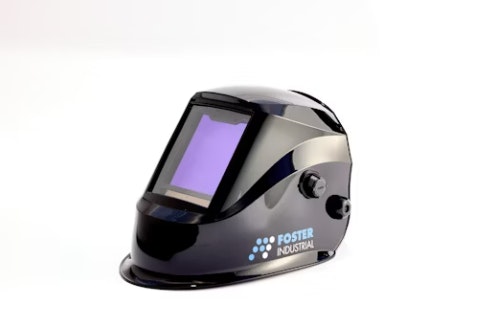
Features that make a difference.
- Amount of Protection ; Are you MIG or TIG welding? You may want a deeper head shell for added protection in high amp MIG applications.
- Automatic Park ; When you lift the helmet back, will it stay in the upright position?
- Viewing Area ; A lot of manufacturers offer different sizes. The bigger the better!
- Battery Life ; The higher quality auto darkening helmet filters are powered by replaceable batteries. The majority of the solar powered models have batteries that cant be removed.
- Versatility; Thinking about TIG welding or grinding and plasma cutting? Select the appropriate filter lens. Shade 3 is ideal for grinding, 5 perfect for plasma cutting, whilst low amp TIG welding may require more sensitive settings for the arc sensors.
- Headgear; Is it comfortable and importantly the level of adjustment. Can you move the head top away from your face.
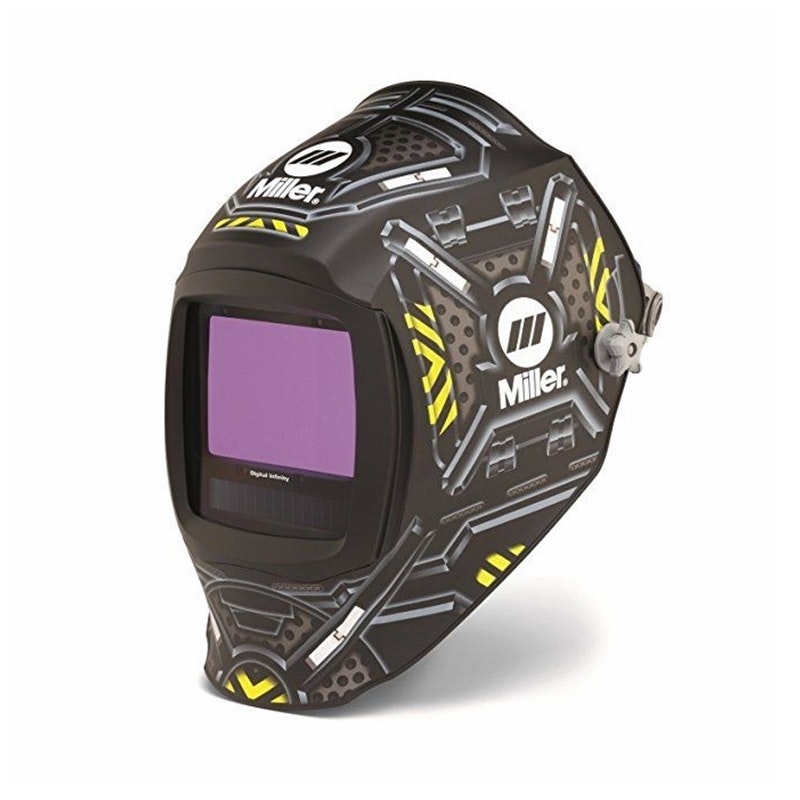
Air Fed Welding PAPR guidance & pointers
With HSE now classifying all welding fume as a carcinogen, the emphasis on protecting operators with RPE has increased. The pointers above hold true for the head top, but what about the PAPR (powered air purifying respirator).
- You should consider the weight of the PAPR unit.
- Does its ability to provide constant air flow changed, when the filter becomes clogged.
- Does an alarm sound when the filter needs changing?
- Most batteries have a standard run time of 8 hours per day, but check for heavy duty options giving you 12.
- Make sure the particulate filtration level is minimum P3.
- Gas filters are often required, when more noxious substances are present in the weld fume. Does the PAPR have this option?
- Check the 'Assigned Protection Factor (ADF)' of the air fed helmet/PAPR unit. It is an important factor with 20 considered the minimum level of protection and 40 the gold standard.
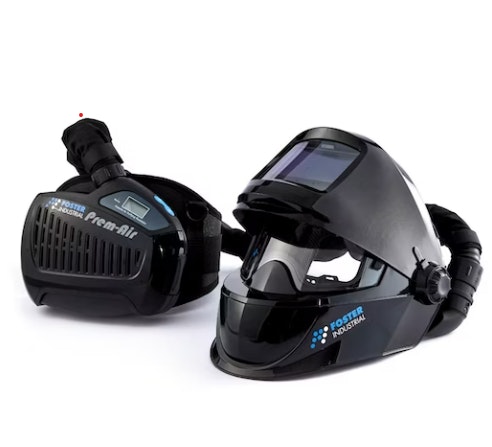
Our best selling Air Fed Welding Helmets Compared

Heavy Duty Mask-Natural & True Colour Technology
Optical Lens Scoring; 1/1/1/1
Detachable grinding head top, to reduce weight when welding only
Welding Filter Shades; 5(Cut), 8 to 14(Welding)
Heavy duty Adflo PAPR respirator system with 12 hour battery
Delay feature; five settings extending post weld filter time on
Five welding filter sensitivity settings; Back to back, MIG & TIG
Air flow adjustment allows users to direct the airflow to either their face or visor,

With True View & Weld/Grind Head Top
Optical Lens Scoring: 1/1/1/2
Flip up head top with clear view for grinding. Fast & easy switching between grind & weld
Advanced headgear
The PAPR's 3 step variable flow rate adjustment allows operator to increase comfort levels.
SmartSensor technology keeps the air flow stable when the battery runs low or the filter is clogged.
Auto shutdown mode kicks in after 30 minutes of no use.
Lithium Ion battery providing 6 to 8 hours use with only 3 to 4 hours to recharge.
Warning light & audio alarms for: filter block, low battery & overheating.

Extra large viewing area 102.5 X 102.5 mm
Optical Lens scoring; 1/1/1/1
Three Memory functions.
Auto shade selection mode senses shade required. No adjustment needed.
Four detection sensors offer wider detection of welding arc.
TIG welding from 3 amps.
Our best selling not for air welding helmets compared

With X.MODE
Enhanced optics; scoring 1/1/1/1
X.Mode: eliminates sunlight & detects TIG welding amps as low as 5 amps
Headgear design includes oversized comfort cushions & extensive adjustability settings
InfoTrack; Arc tracking technology recording arc time & timer functionality & multi language help menu.

EXTRA LARGE VIEWING AREA 102.5 X 102.5 mm
Optical Lens scoring: 1/1/1/1
Auto shade selection mode senses shade required. No adjustment needed
Grinding function with warning flash.
Four detection sensors offer wider detection of welding arc
Adjustable sensitivity/delay
TIG welding from 3 amps
Three ADF Memory functions

Curved Lens Technology
Optical Lens Scoring; 1/1/1/1
Natural colour technology; Light state of 2.5, more realistic colour when welding & not welding
Curved lens extends field of vision
Enables TIG welding from 1 amps
Bluetooth & Shade lock functionality


RECOMMENDED


